Established neighborhoods. Multi-generational households. Yards that have been through 35 Texas summers.

About Artificial Turf of Sugar Land

Established neighborhoods. Multi-generational households. Yards that have been through 35 Texas summers.

Artificial Turf of Sugar Land focuses on the Fort Bend County neighborhoods that have been around long enough to develop real yard problems — and on the households whose complexity has outgrown what natural grass can handle. First Colony, Sugar Mill, Greatwood, early Sienna, Pecan Grove, and the multi-generational Indian, Pakistani, Chinese, and Vietnamese household compounds that define established Sugar Land.

Who we work for

The established Sugar Land household that has outgrown natural grass.

This is a specific client. Not the new-construction buyer in a 2023 master plan section. The family that has been in the same First Colony home since 1991.

Fort Bend County's established neighborhoods — First Colony's earliest sub-villages, Sugar Mill's mature lots, Greatwood's older sections, Pecan Grove in Richmond, early Sienna phases in Missouri City — have a specific yard problem. The lots are 30 to 40 years old. The trees are established and shading areas that bermuda grass cannot recover. The irrigation systems have been repaired multiple times and no longer cover correctly. The clay soil has been through four decades of expansion and contraction cycles and does not drain the way it did in 1985.

The household on top of this established-lot problem is often a multi-generational configuration that has developed over 20-plus years: Indian, Pakistani, Chinese, and Vietnamese families who settled Fort Bend County in the 1990s and early 2000s, aged in place, and gradually grew into three-generation compounds. The yard that was designed for four people now serves eight or nine. Artificial turf is not a luxury upgrade for these households. It is the practical solution to a yard situation that natural grass cannot resolve.

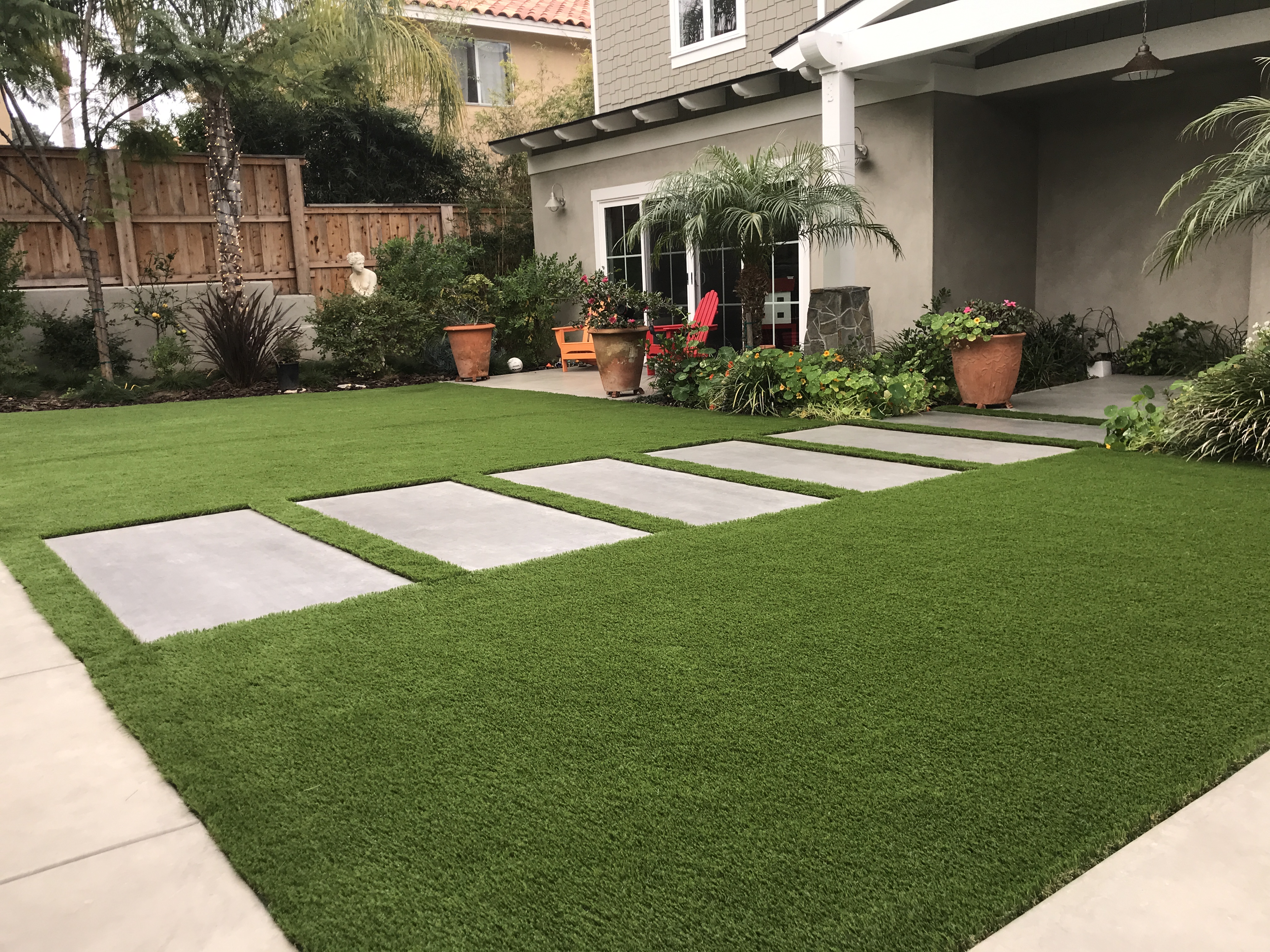
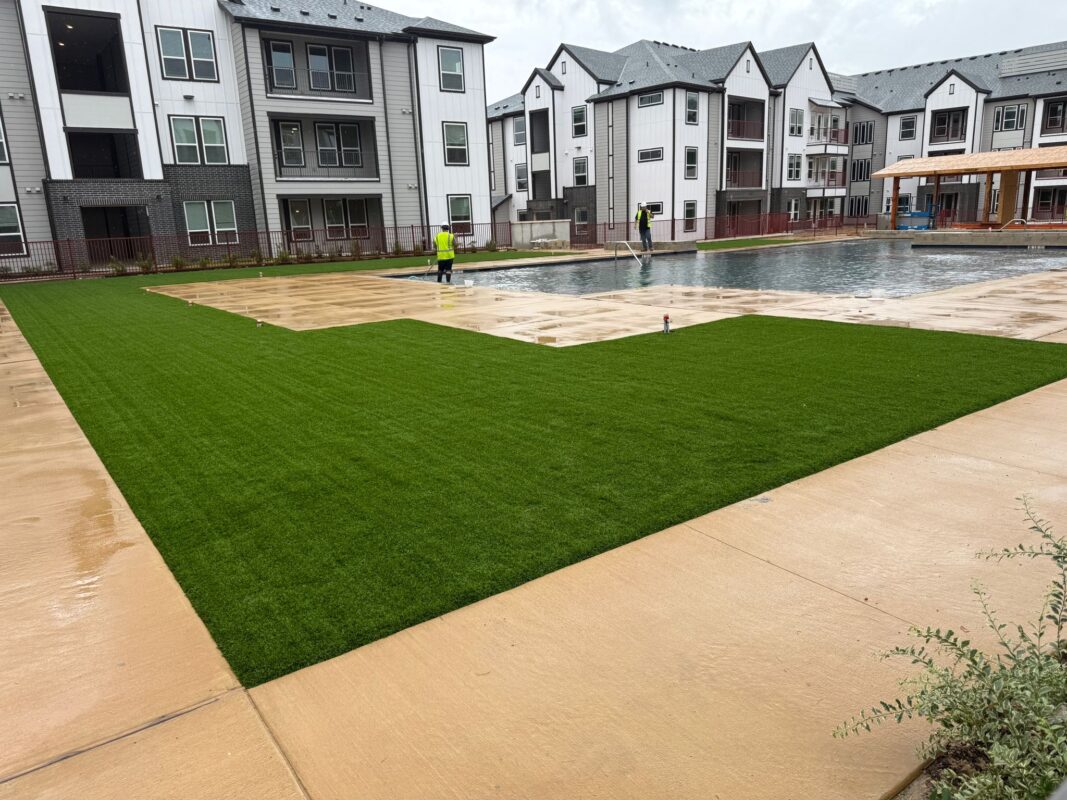
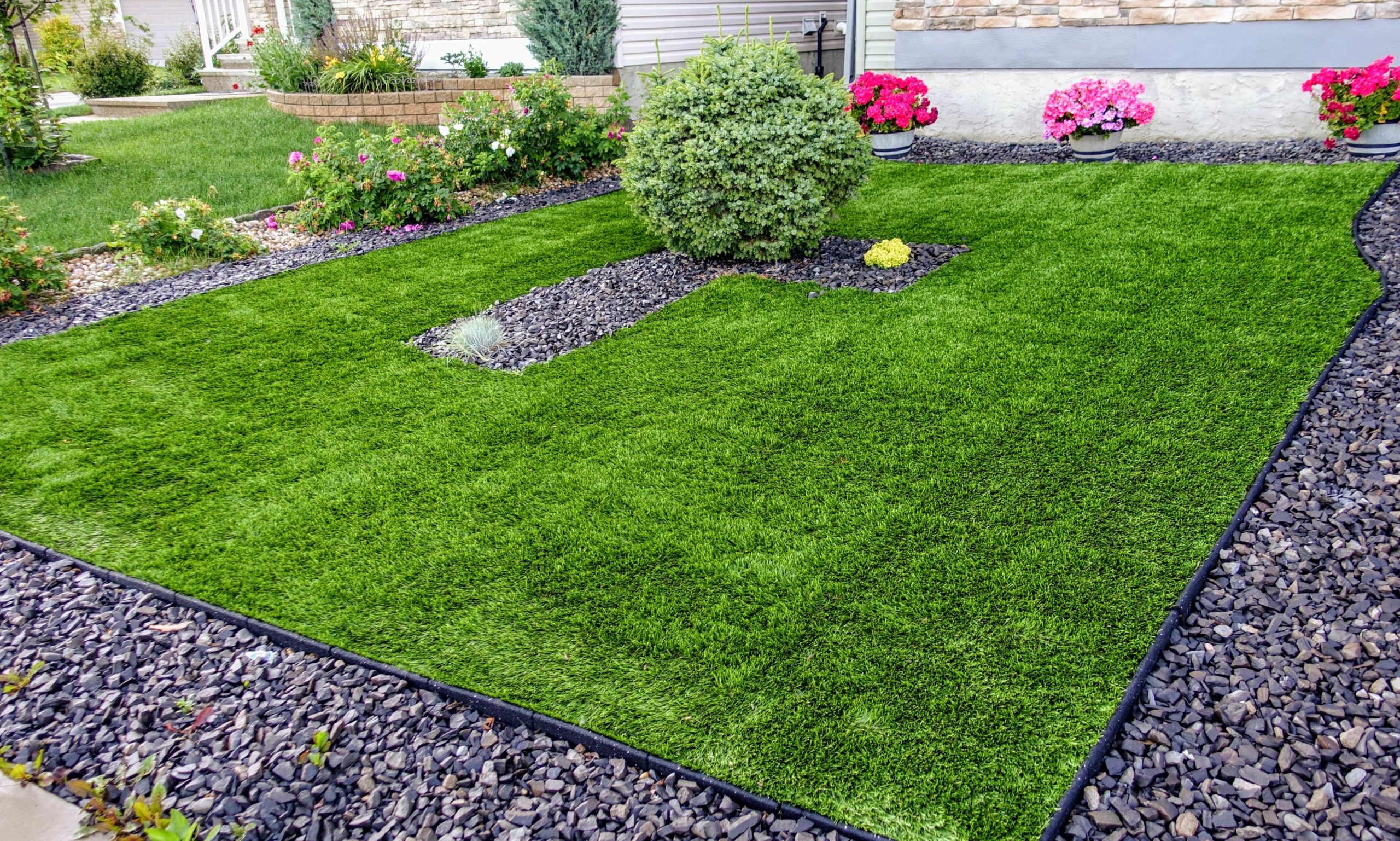
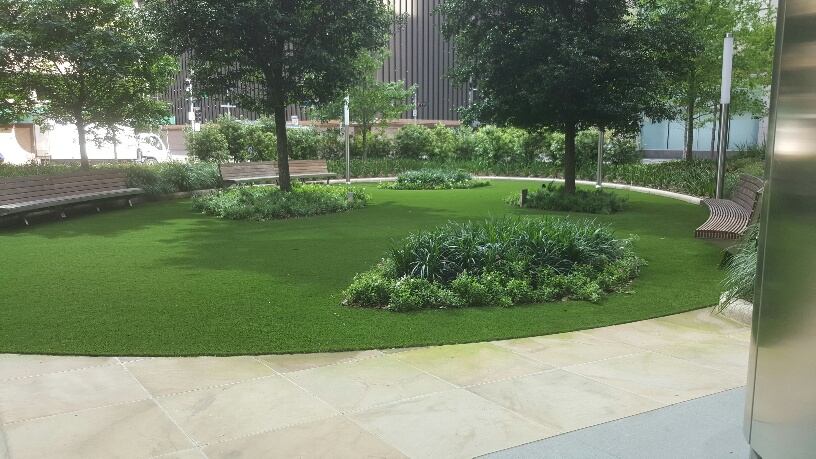
Artificial turf installation in a Fort Bend County established neighborhood

The multi-generational household problem

Three generations. One yard. Natural grass cannot serve all of them at once.

This is the design challenge we solve most frequently in Sugar Land's established neighborhoods.

01

Elderly grandparents

Aging-in-place household members need firm, even surfaces without the soft spots, ruts, and uneven terrain that develop in established yards over decades. Fall risk is not hypothetical. We design circulation paths specifically for older household members.

02

Active grandchildren

School-age grandchildren use the yard from the moment they get home until dark. Natural grass in clay soil under that traffic load is gone within a season. Turf handles it without bare patches, mud zones, or the compaction that kills roots permanently.

03

Family gathering zones

Extended family gatherings — regular Sunday meals, Diwali, Eid, Tet, Lunar New Year — require outdoor space that accommodates 15 to 20 people and recovers from Fort Bend County rain events before the next gathering.

04

Established lot conditions

30-year-old live oaks, failing irrigation systems, and expansive clay soil create yard conditions that predate the current household's size. We design around what is actually there — not what the original developer assumed.

Neighborhoods we know

First Colony. Sugar Mill. Greatwood. Sienna. Pecan Grove. Alief. Bellaire.

These are the communities where we work most frequently — established, settled, and presenting the yard conditions that make turf genuinely useful rather than decorative.

Service Area

First Colony established sub-villages

Covington Woods, New Territory, and the original First Colony club-section neighborhoods from the early 1980s now have 40-year-old trees shading lawns that bermuda cannot recover, irrigation systems at end-of-life, and multi-generational Indian and Chinese households that have outgrown the original yard design.

Service Area

Sugar Mill and Greatwood mature lots

Developed through the late 1980s and 1990s, Sugar Mill and Greatwood's older sections carry the full weight of 30 to 35 Texas summer cycles. The multi-generational Vietnamese and Pakistani households that characterize these sections need yards engineered for compound-style use — not maintained for a brochure photo.

Service Area

Alief, Bellaire, and the SW Houston border

The unincorporated Harris County communities and inner-loop neighborhoods that define the Sugar Land–Houston border have some of the most complex multi-generational yard conditions in the region. Vietnamese and Chinese families on 1970s lots built for half their current occupancy are our most frequent SW Houston clients.

Aging-in-place design

Safety is the first design criterion in any household with elderly members.

Fort Bend County's established neighborhoods have a high concentration of aging-in-place homeowners. We treat yard safety for older household members as an engineering problem, not an afterthought.

Design Principle

Circulation path design

We map every path the elderly household member actually walks — from back door to patio, from patio to garden, from gate to parking area — before we design anything. Every path gets a flat, firm surface with beveled edges at every transition between turf and concrete or pavers. Trip hazards are eliminated by design, not tolerated and managed.

Design Principle

Transition engineering

The gap or rise at the edge of a turf installation is the most common fall hazard in improperly designed installations. We use beveled rubber edge profiles at every transition that taper from full turf thickness to flush with the adjacent surface. On sites where existing concrete edges have shifted over decades, we address the concrete edge before setting any turf border.

Design Principle

Drainage and wet surface risk

A wet surface is a fall risk for older household members navigating the yard the morning after a storm. We route drainage in every installation so that the turf surface clears within hours of a rain event — not days. For aging-in-place households, this is not a convenience feature. It is a safety standard.

Design Principle

Maintenance burden elimination

The mowing, irrigation scheduling, seasonal overseeding, and chemical application required to maintain natural grass in Fort Bend County's clay soil represent a physical burden that many older homeowners have been managing with increasing difficulty for years. Turf eliminates all of them. What remains is a yard the homeowner can use safely without ongoing management pressure.

How a project begins

Site first. Design second. Material selection third.

The sequence matters because established Fort Bend County lots are not clean slates. Everything downstream depends on what the site assessment reveals.

01

Site assessment

We walk the property with the homeowner and assess drainage behavior, root system profile, existing irrigation infrastructure, grade transitions, and the household's actual outdoor use patterns. This assessment drives every decision that follows.

02

Household use mapping

For multi-generational households, we identify how each generation uses the yard — elder circulation paths, children's activity zones, gathering areas, pet use corridors, garden access routes. Design follows use, not the other way around.

03

Installation design

Base depth, drainage routing, infill selection, edge treatment, zone layout, and seam positioning are all determined by the site conditions and household use map. No standard template is applied to an established lot.

04

Project close

The finished installation is walked with the homeowner. Maintenance requirements, care protocols, and the specific decisions made during installation are explained. The homeowner understands what was built and why.

Service routes

Services and locations built around the established Sugar Land household.

Every service page and location page reflects the same focus: established neighborhoods, multi-generational households, and aging-in-place design.

Get an estimate

Start with the neighborhood, the household, and what the yard currently cannot do.

Those three pieces of information are enough to begin a real conversation about whether turf is the right solution and what an installation designed for your specific situation would look like.

Reach out by phone or through the form and we will follow up with the next step for your project. Quotes are scheduled from the Sugar Land office and coordinated around the service area listed below.